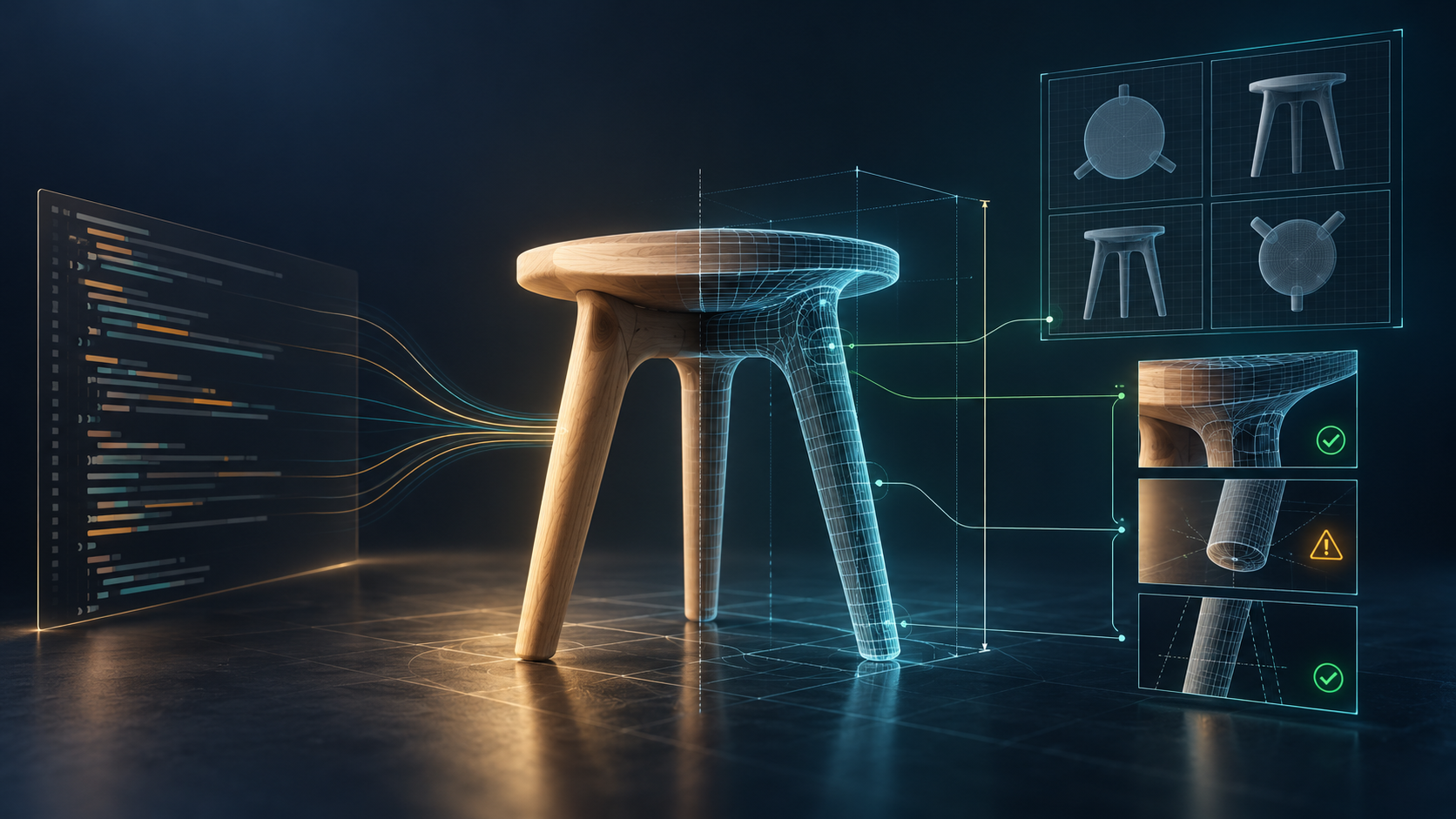
The RSI loop for visual intelligence.

We build the parallel universes and evals that let visual agents improve themselves, from video and games to robots in the physical world.

Backed by angels from
THINKING MACHINES

Recursive self-improvement (RSI) is how coding agents got good. Code checks itself: run it, and the tests pass or fail.

That answer is instant and cheap, so an agent can try a million times and keep what works.

Visual work has nothing to run. Is the cut on the beat? Is the lamp on the table, or floating above it? If the player pulls the lever, will the gate open before the guards wake?

Today a person has to watch, and that is slow, costly and different every time.

We build universes where those questions have verifiable answers.

Three capabilities

Universes for each kind of visual reasoning

Visual agents have to reason about time, space and cause. We build universes for each, with evals that score what the agent does there.

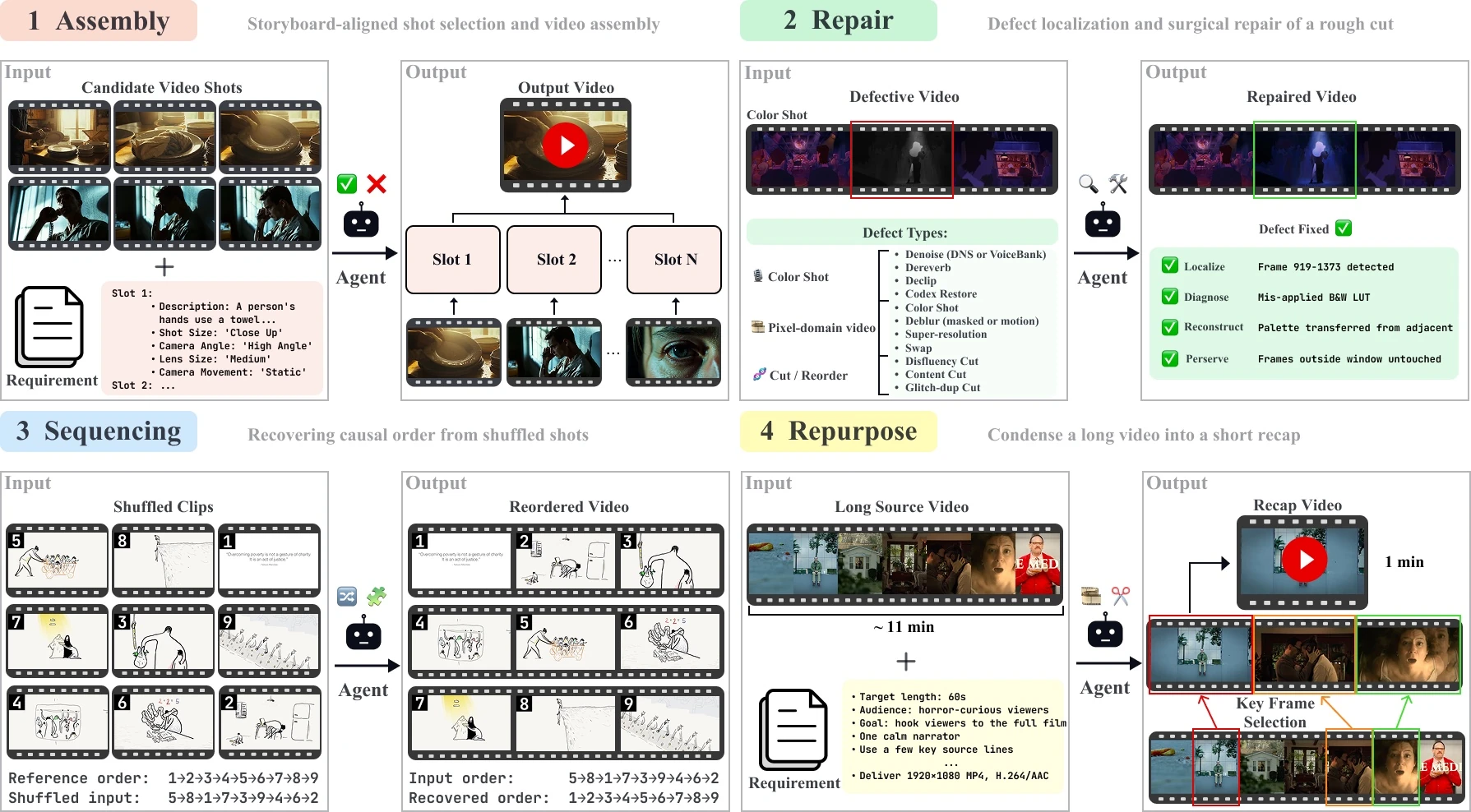
AgenticVBench overview: four task families, assembly, repair, sequencing and repurposing
AgenticVBench covers four kinds of real post-production work: assembly, repair, sequencing and repurposing.
Capability 01

Temporal reasoning

Video understanding and video production

Can an agent understand what happens over time in a video, then cut, time and finish it the way an editor would?

The universes here are real post-production jobs, with rushes, timelines, music and notes from a director. AgenticVBench, our benchmark, turns 100 of them into scored tasks.

A butterfly written as 3D code, then carried into new scenes by video motion transfer.
Capability 02

Spatial reasoning

3D world modeling

Can an agent build a 3D scene that holds together, and prove it with measurements?

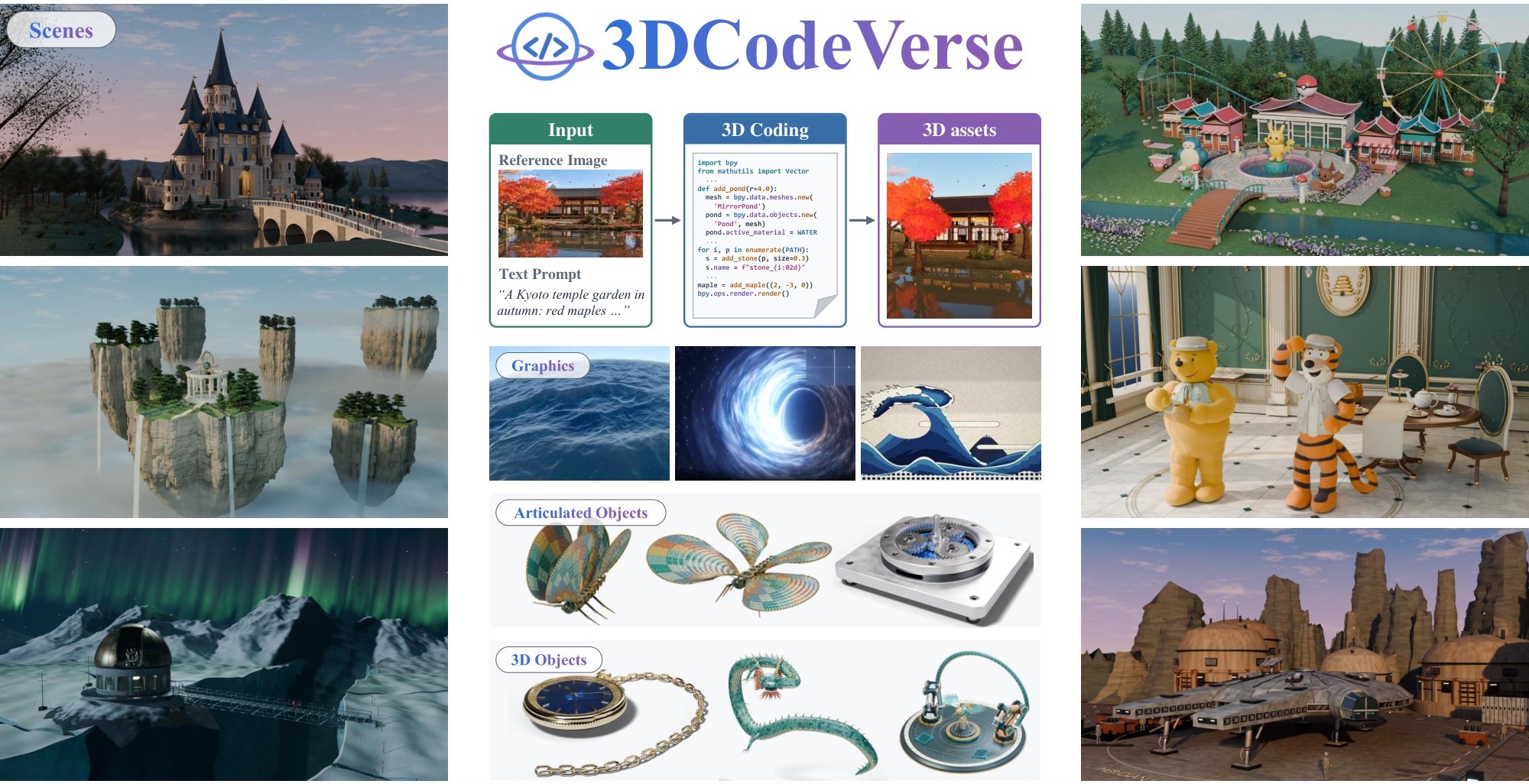
The agent writes each universe as a program, so every part can be measured, and anything that floats or overlaps gets fixed one line at a time. 3DCodeVerse does this at research scale, and the same universes can become simulation environments where robots practice before they reach the physical world.

A medieval open-world RPG in Unreal Engine 5.
Capability 03

Causal reasoning

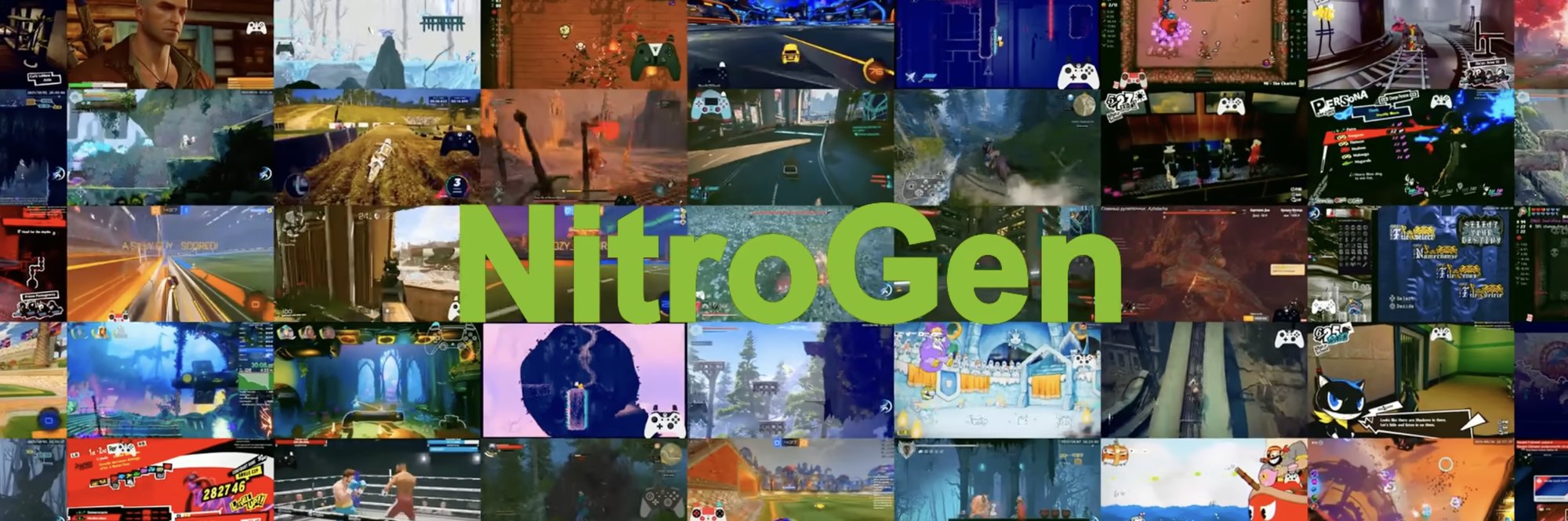
Simulated societies and AAA gameplay

Can an agent predict what its actions will cause, in a game or in a town full of other agents?

These universes push back. A game reacts to every input and a simulated society reacts to every choice, so an agent has to reason about cause and effect to do well.

Research

Papers

We publish our benchmarks, datasets and code, so anyone can run the same checks.

Writing

From the blog

All posts
Who we are

Researchers and artists

We have trained vision-language models and world-action models, and shipped films and games.

Around the team is a global artist community of film directors, anime artists, photographers, sound designers and game developers. They keep our universes true to what people actually watch and play.

We are backed by top-tier investors and by angels from leading AI labs.

Careers

Build the self-improvement loop for visual intelligence.

We are hiring researchers and engineers to build universes and evals for agents that see, from film and games to robots in the physical world.